



+918048055186

ARIHANTORTHOCARE https://www.arihantorthocare.in
Preview

This is your website preview.

Currently it only shows your basic business info. Start adding relevant business details such as description, images and products or services to gain your customers attention by using Boost 360 android app / iOS App / web portal.

919313550118

TREATMENTS

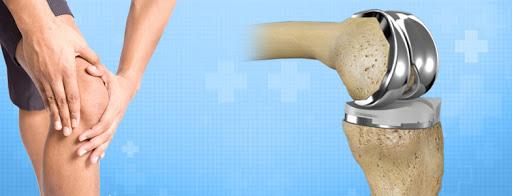
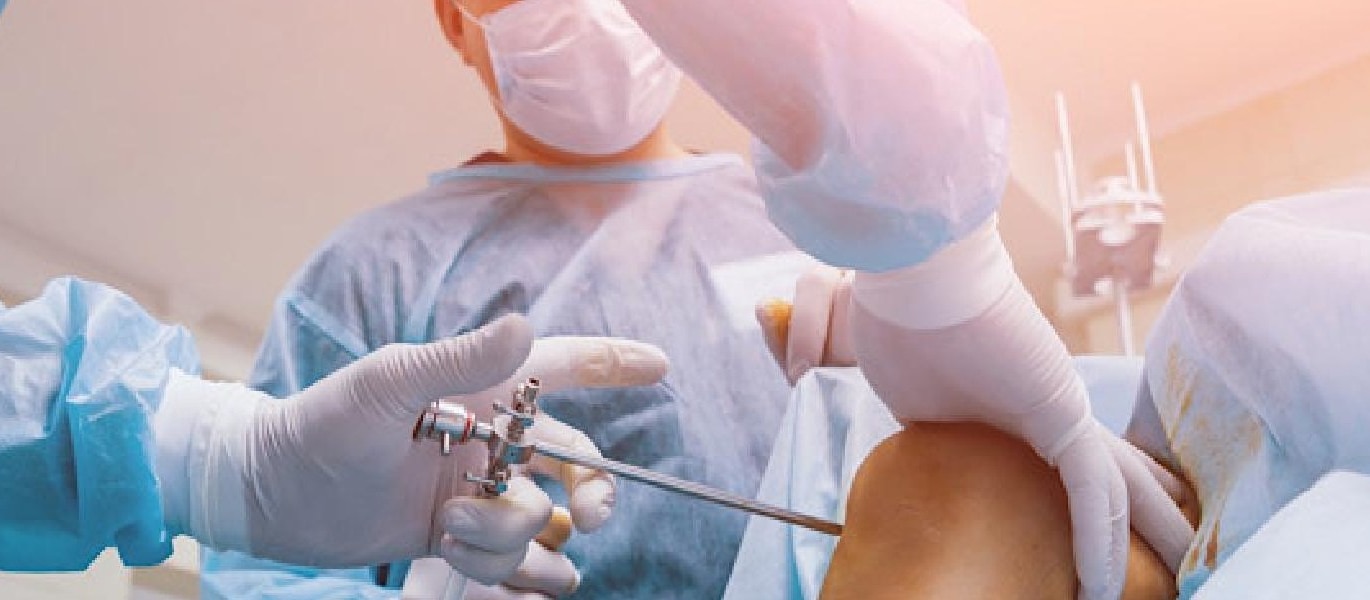
Best Knee Replacement Hospital in AhmedabadIf your knee is severely damaged by arthritis or injury, it may be hard for you to perform simple activities, such as walking or climbing stairs. You may even begin to feel pain while you are sitting or lying down.If nonsurgical treatments like medications and using walking supports are no longer helpful, you may want to consider total knee replacement surgery. Joint replacement surgery is a safe and effective procedure to relieve pain, correct leg deformity, and help you resume normal activities.The knee is the largest joint in the body and having healthy knees is required to perform most everyday activities. The knee is made up of the lower end of the thighbone (femur), the upper end of the shinbone (tibia), and the kneecap (patella). The ends of these three bones where they touch are covered with particular cartilage, a smooth substance that protects the bones and enables them to move easily.The menisci are located between the femur and tibia. These C-shaped wedges act as “shock absorbers” that cushion the joint. Large ligaments hold the femur and tibia together and provide stability. The long thigh muscles give the knee strength. All remaining surfaces of the knee are covered by a thin lining called the synovial membrane. This membrane releases a fluid that lubricates the cartilage, reducing friction to nearly zero in a healthy knee.Normally, all of these components work in harmony. But disease or injury can disrupt this harmony, resulting in pain, muscle weakness, and reduced function.CAUSEThe most common cause of chronic knee pain and disability is arthritis. Although there are many types of arthritis, most knee pain is caused by just three types: osteoarthritis, rheumatoid arthritis, and post-traumatic arthritis.Osteoarthritis. This is an age-related “wear and tear” type of arthritis. It usually occurs in people 50 years of age and older, but may occur in younger people, too. The cartilage that cushions the bones of the knee softens and wears away. The bones then rub against one another, causing knee pain and stiffness.Rheumatoid arthritis. This is a disease in which the synovial membrane that surrounds the joint becomes inflamed and thickened. This chronic inflammation can damage the cartilage and eventually cause cartilage loss, pain, and stiffness. Rheumatoid arthritis is the most common form of a group of disorders termed “inflammatory arthritis.”Post-traumatic arthritis. This can follow a serious knee injury. Fractures of the bones surrounding the knee or tears of the knee ligaments may damage the particular cartilage over time, causing knee pain and limiting knee function.DESCRIPTIONA knee replacement (also called knee arthroplasty) might be more accurately termed a knee “resurfacing” because only the surface of the bones are actually replaced.There are four basic steps to a knee replacement procedure.Prepare the bone.The damaged cartilage surfaces at the ends of the femur and tibia are removed along with a small amount of underlying bone.Position the metal implants.The removed cartilage and bone is replaced with metal components that recreate the surface of the joint. These metal parts may be cemented or “press-fit” into the bone.Resurface the patella. The undersurface of the patella (kneecap) is cut and resurfaced with a plastic button. Some surgeons do not resurface the patella, depending upon the case.Insert a spacer. A medical-grade plastic spacer is inserted between the metal components to create a smooth gliding surface.SURGERYANESTHESIAAfter admission, you will be evaluated by a member of the anesthesia team. The most common types of anesthesia are general anesthesia (you are put to sleep) or spinal, epidural, or regional nerve block anesthesia (you are awake but your body is numb from the waist down). The anesthesia team, with your input, will determine which type of anesthesia will be best for you.PROCEDUREThe procedure itself takes approximately 1 to 2 hours. Your orthopedic surgeon will remove the damaged cartilage and bone, and then position the new metal and plastic implants to restore the alignment and function of your knee.HOW YOUR NEW KNEE IS DIFFERENTImprovement of knee motion is a goal of total knee replacement, but restoration of full motion is uncommon. The motion of your knee replacement after surgery can be predicted by the range of motion you have in your knee before surgery. Most patients can expect to be able to almost fully straighten the replaced knee and to bend the knee sufficiently to climb stairs and get in and out of a car. Kneeling is sometimes uncomfortable, but it is not harmful.Most people feel some numbness in the skin around your incision. You also may feel some stiffness, particularly with excessive bending activities. Most people also feel or hear some clicking of the metal and plastic with knee bending or walking. This is a normal. These differences often diminish with time and most patients find them to be tolerable when compared with the pain and limited function they experienced prior to surgery.PROTECTING YOUR KNEE REPLACEMENTAfter surgery, make sure you also do the following:Participate in regular light exercise programs to maintain proper strength and mobility of your new kneeTake special precautions to avoid falls and injuries. If you break a bone in your leg, you may require more surgeryMake sure your dentist knows that you have a knee replacement. You should be given antibiotics before all dental surgery for the rest of your lifeSee your orthopedic surgeon periodically for a routine follow-up examination and x-rays, usually once a year

404, Golden Icon, Beside Qaraar Restaurant Shyamal, Shivranjani Cross Rd, Satellite,

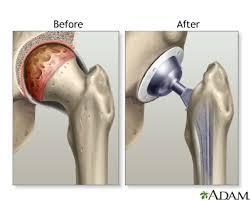
Revision Total Knee Replacement Hospital in AhmedabadKnee revision surgery, which is also known as revision total knee arthroplasty, is a procedure in which the surgeon removes a previously implanted artificial knee joint, or prosthesis, and replaces it with a new prosthesis. Knee revision surgery may also involve the use of bone grafts. The bone graft may be an autograft, which means that the bone is taken from another site in the patient's own body; or an allograft, which means that the bone tissue comes from another donor.If your hip has been damaged by arthritis, a fracture, or other conditions, common activities such as walking or getting in and out of a chair may be painful and difficult. Your hip may be stiff, and it may be hard to put on your shoes and socks. You may even feel uncomfortable while resting.ANATOMYPURPOSEKnee revision surgery has three major purposes: relieving pain in the affected hip; restoring the patient's mobility; and removing a loose or damaged prosthesis before irreversible harm is done to the joint. Knee prostheses can come loose for one of two reasons. One is mechanical and is related to the fact that the knee joint bears a great deal of weight when a person is walking or running. It is unusual for the metal part of a knee prosthesis to simply break. This part, however, is inserted into the upper part of the tibia, the larger of the two bones in the lower leg, after the surgeon has removed the upper surface of the tibia. The bone tissue that receives the metal implant is softer than the bone that was removed, which means that the metal implant may sink into the softer bone and gradually loosen.The second reason for loosening of a knee prosthesis is related to the development of inflammation in the knee joint. The plastic part of a knee prosthesis is made of a material called polyethylene, which can form small particles of debris as a result of wear on the prosthesis over time. If the patient has an uneven gait, or pattern of walking, the debris particles tend to form at a faster rate because one side of the prosthesis will tend to pull away from the bone and the other side will be pushed further into the bone. These tiny fragments of plastic are absorbed by tissue cells around the knee joint, which become inflamed. The inflammatory response begins to dissolve the bone around the prosthesis in a process known as osteolysis. As the osteolysis continues, bone loss accelerates and the prosthesis eventually comes loose.A knee prosthesis that has become infected or completely dislocated must be removed and replaced to prevent permanent damage to the patient's knee.DESCRIPTIONPost-traumatic arthritis.Although no revision surgery is easy or simple, there are different kinds of revisions. Sometimes only some of the parts need to be replaced and in other cases, all the parts need to be removed and the bone around the knee needs to be re-built with artificial bone. Below are a few examples of revison knee replacements:RISKSThe complications that may follow knee revision surgery are similar to those for knee replacement. They include :Deep vein thrombosis.Infection in the new prosthesis.Loosening of the new prosthesis. The risk of this complication is increased considerably if the patient is overweight.Formation of heterotopic bone. Heterotopic bone is bone that develops at the lower end of the femur following knee replacement or knee revision surgery. Patients who have had an infection in the joint have an increased risk of heterotopic bone formation.Bone fractures during the operation. These are caused by the force or pressure that the surgeon must sometimes apply to remove the old prosthesis and the cement that may be attached to it.Dislocation of the new prosthesis. The risk of dislocation is twice as great for revision surgery as for TKR.Difference in leg length resulting from shortening of the leg with the prosthesis.Additional or more rapid loss of bone tissue.

404, Golden Icon, Beside Qaraar Restaurant Shyamal, Shivranjani Cross Rd, Satellite,

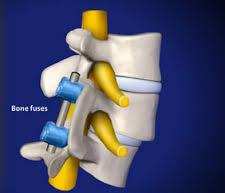
Unicondylar Knee Replacement Hospital in AhmedabadThe goal of knee replacement surgery is to decrease pain and restore function. Although total knee replacement (also called “arthroplasty”) is an excellent option for patients with osteoarthritis of the knee, other surgical options exist. Patients with osteoarthritis that is limited to just one part of the knee may be candidates for unicompartmental knee replacement (also called a “partial” knee replacement).Unicondylar Knee Replacement simply means that only a part of the knee joint is replaced through a smaller incision than would normally be used for a total knee replacement.Unicompartmental knee replacement is an option for a small percentage of patients with osteoarthritis of the knee. Your doctor may recommend partial knee replacement if your arthritis is confined to a single part (compartment) of your knee. Your knee is divided into three major compartments: The medial compartment (the inside part of the knee), the lateral compartment (the outside part), and the patellofemoral compartment (the front of the knee between the kneecap and thighbone).In a unicompartmental knee replacement, only the damaged compartment is replaced with metal and plastic. The healthy cartilage and bone in the rest of the knee is left alone.ADVANTAGES OF PARTIAL KNEE REPLACEMENTMultiple studies have shown that modern unicompartmental knee replacement performs very well in the vast majority of patients who are appropriate candidates.The advantages of partial knee replacement over total knee replacement include:1. Quicker recovery2. Less pain after surgery3. Less blood lossSurgical—Some injuries require more aggressive treatment. You may need steroids if the spinal cord is injured. You may need surgery if you have an unstable burst fracture, flexion-distraction injury or fracture-dislocation. Surgery realigns the spinal column and holds it together using metal plates and screws (internal fixation) and/or spinal fusion.CAUSES1. A direct blow to the rib, otherwise known as blunt chest trauma2. Crushing of the chest—in minor cases this can occur in contact sports or in major cases this occurs in a car accident3. Severe coughing incidents that can occur with lung problems or at high altitude Signs and SymptomsSIGNS AND SYMPTOMSCHEST PAIN BREATHING DIFFICULTIES PAIN WITH MOVEMENT SWELLING OF THE RIBS BRUISING OF THE RIBSAlso, because the bone, cartilage, and ligaments in the healthy parts of the knee are kept, most patients report that a unicompartmental knee replacement feels more “natural” than a total knee replacement. A unicompartmental knee may also bend better.DISADVANTAGES OF PARTIAL KNEE REPLACEMENTThe disadvantages of partial knee replacement compared with total knee replacement include slightly less predictable pain relief, and the potential need for more surgery.For example, a total knee replacement may be necessary in the future if arthritis develops in the parts of the knee that have not been replaced.

404, Golden Icon, Beside Qaraar Restaurant Shyamal, Shivranjani Cross Rd, Satellite,

Meet Our Doctor

ARIHANT ORTHOCARE

ARIHANT ORTHOCARE

TRAUMA AND JOINT REPLACEMENT SURGEON

Phone +91-08048055186

AT ARIHANTORTHOCARE, WE ARE TEAM OF THREE WELL TRAINED AND EXPERT ORTHOPEDIC SURGEONS. DR VISHAL DESAI / DR AILIK VHORA/ DR MAULIK DALAL

404, Golden Icon, Beside Qaraar Restaurant Shyamal, Shivranjani Cross Rd, Satellite,

Latest Update

ROBOTIC KNEE REPLACEMENT IN AHMEDABAD

It's Done!!

Your appointment is confirmed

Doctor Name:

Date & Time:

Contact:

Address: 404, Golden Icon, Beside Qaraar Restaurant Shyamal, Shivranjani Cross Rd, Satellite,

Appointment details has also been shared with you on your mobile number . Please arrive atleast ten minnutes ahead of the scheduled time.

treatments